
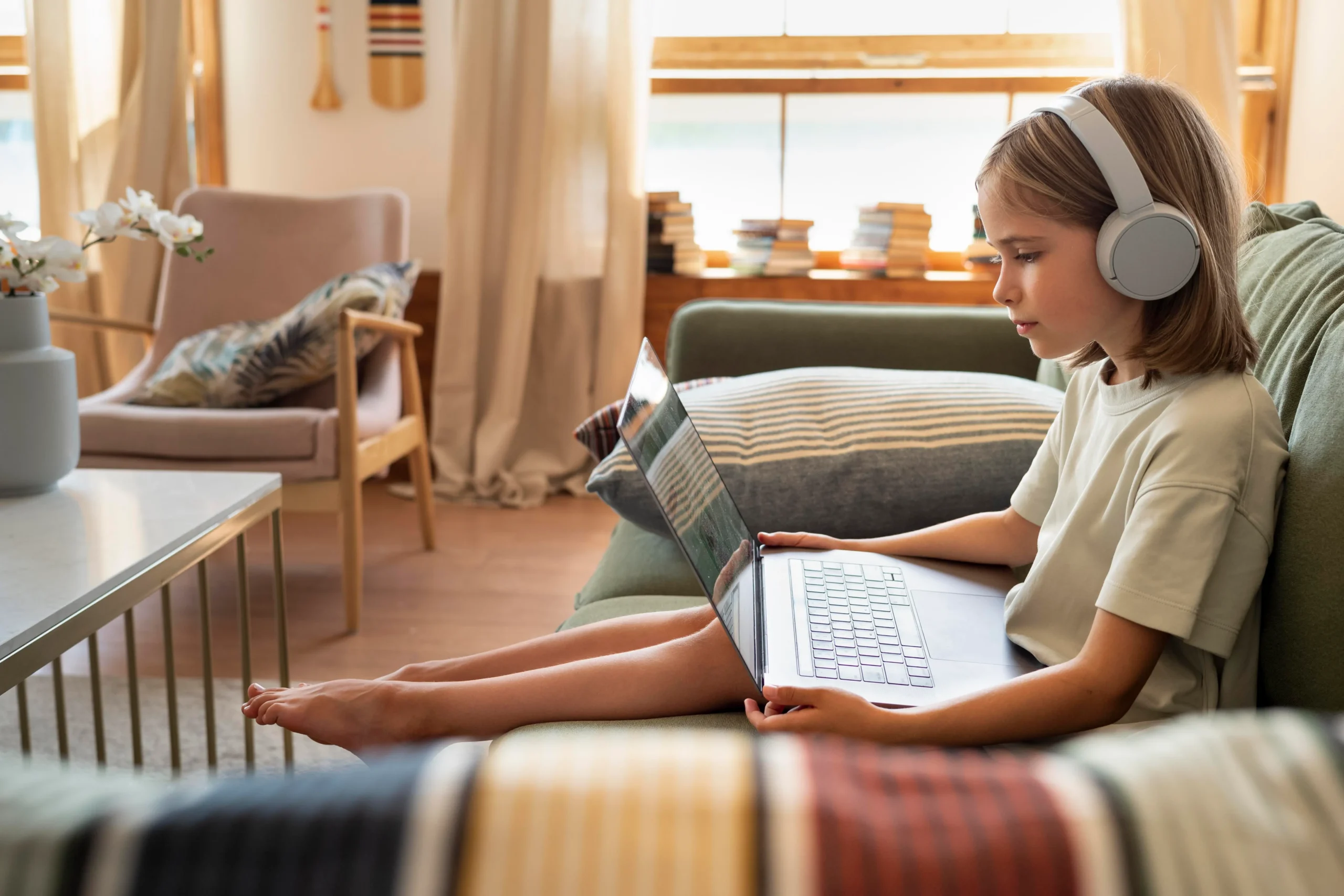
Learn German From Home
Learn German From Home: A Complete Guide to Mastering the Language
Learning a new language opens doors to exciting opportunities — culturally, academically, and professionally. One of the most sought‑after languages today is German, known for its rich history, strong job market advantages, and widespread use across Europe. In this blog, we will explore how you can Learn German From Home, with practical tips, resources, and strategies that make language learning effective, flexible, and enjoyable — all from the comfort of your personal space.
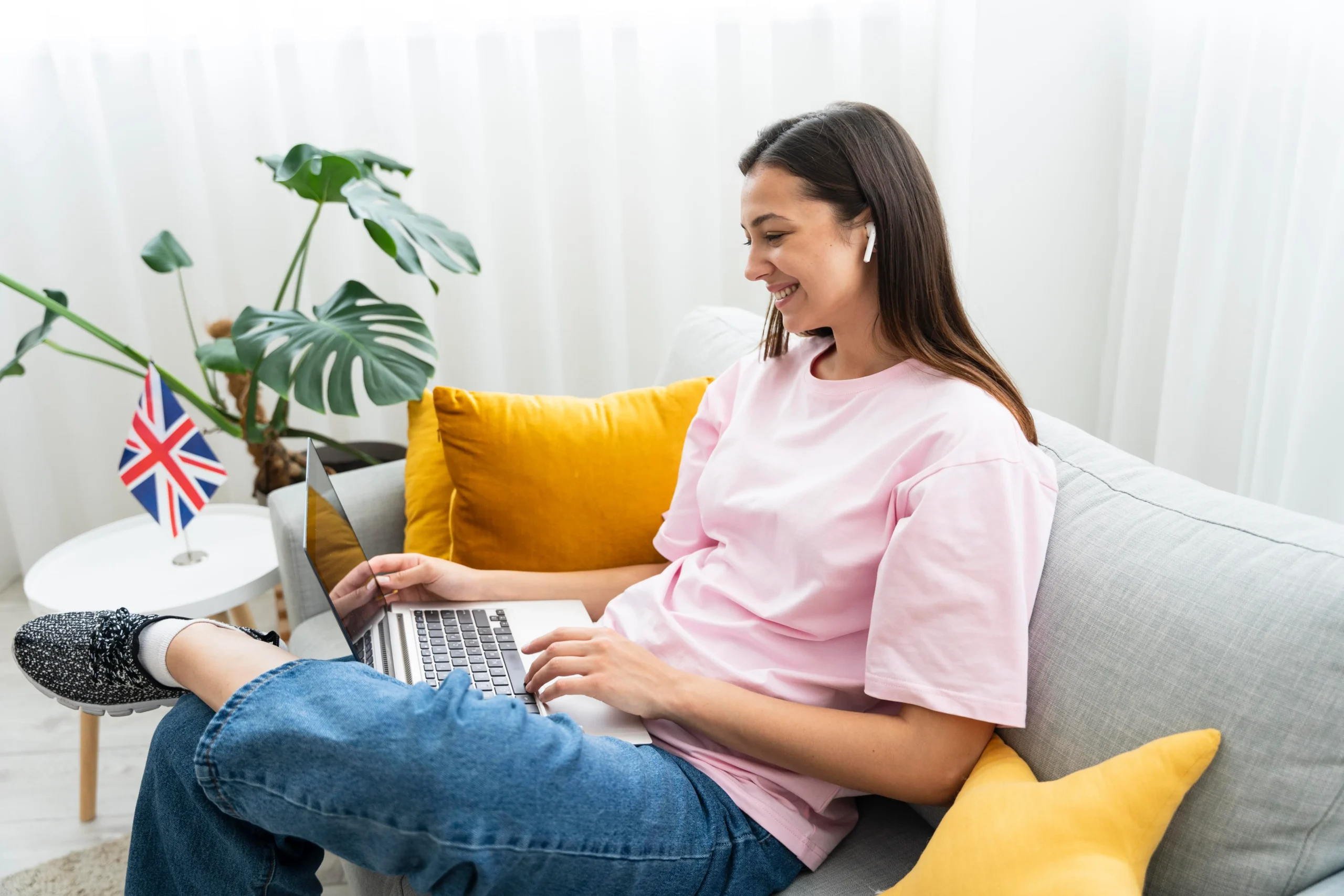
Why Choose to Learn German From Home?
In today’s digital era, learning a language no longer requires attending costly in‑person classes. With the advancement of apps, online courses, podcasts, and interactive tools, you can Learn German From Home at your own pace. Whether your goal is to improve career prospects, prepare for study abroad, or simply enjoy learning something new, studying German remotely is both accessible and rewarding.
There are many reasons learners prefer home‑based German study:
-
You can learn at your own schedule.
-
No geographical or time constraints.
-
A variety of learning tools and resources are available online.
-
You can customize your learning style.
Essential Steps to Start Learning German From Home
1. Set Clear Learning Goals
Before you dive into grammar books and audio lessons, it’s important to define why you want to learn German. Are you learning for travel, professional growth, or personal interest? Short and long‑term goals help you stay motivated and track your progress effectively. For example:
-
Learn basic German phrases in 30 days.
-
Reach conversational level (A2/B1) in six months.
-
Be proficient enough to pass a German language exam.
By setting measurable targets, you create a roadmap that keeps you focused and consistent in your learning journey.
2. Build a Consistent Study Routine
Consistency is the foundation of mastering any language. Design a daily or weekly study plan that suits your schedule. Even dedicating 20–30 minutes every day can significantly improve your skills over time. Spread out activities like vocabulary practice, listening exercises, and grammar lessons throughout the week to maintain balance and avoid burnout.
To make learning more effective:
-
Study at the same time each day.
-
Break sessions into manageable chunks.
-
Celebrate small achievements — this builds confidence and motivation.
Top Tools and Resources to Learn German From Home
1. Language Learning Apps
Apps make language learning interactive and engaging. Some popular tools include:
-
Babbel – A structured app with lessons from beginner to advanced levels.
- Duolingo – A gamified platform that makes vocabulary and grammar fun.
- Busuu – Great for short sessions and daily practice.
These apps often include spaced‑repetition systems to help you memorize vocabulary faster and retain what you learn longer.
2. Online Courses and Interactive Platforms
Instead of traditional classroom learning, you can take online live courses or engage with community learners. Some platforms offer structured lessons with native speakers and certified teachers:
Lingoda – Provides live video lessons with professional instructors.
Online study groups – Great for peer support and speaking practice.
This approach bridges the gap between textbook learning and real conversational practice, helping you gain confidence in speaking and comprehension.
3. YouTube Channels and Podcasts
Immersion is key when you want to Learn German From Home. Supplement your study with authentic content such as:
-
German language YouTube channels that show everyday conversations.
-
Podcasts designed for German learners at different levels.
-
German radio stations to expose your ears to natural speech patterns.
Listening to native content helps you understand pronunciation, rhythm, and usage. Don’t worry if you don’t understand everything at first — your comprehension will improve over time.
Practical Language Practice Techniques
1. Speak Often (Even Alone!)
Speaking is often the hardest skill to master, especially at home. But consistent practice is vital. Use platforms that allow you to speak with native speakers or language partners through video or voice chat. Even speaking aloud to yourself reinforces pronunciation and helps you internalize sentence structures.
2. Label Your Environment
Stimulate your daily life with German words — label everyday objects around the house (like Tür for door or Fenster for window). This visual and constant exposure reinforces vocabulary without extra effort.
3. Read and Write in German
Reading beginner‑level German books, news articles, or online blogs improves comprehension and expands vocabulary. Similarly, keeping a journal in German — even simple sentences — enhances your writing skills and reinforces grammar rules.
The Importance of Immersion and Community
Even though you’re learning at home, it’s important to create an immersive environment. Immerse yourself by:
-
Watching German films with subtitles.
-
Listening to German music.
-
Joining online German language forums.
Connecting with other learners or native speakers gives you real interaction — something textbooks can’t fully provide.
Conclusion
Learning a new language like German doesn’t have to be complicated or expensive. With the right resources, consistent effort, and a personalized learning routine, you can confidently Learn German From Home and enjoy the journey of mastering a globally important language.

I am thanksful for this post!
phl789 https://www.nphl789.net
[8760]SG8 Casino: Official SG8 Login, Register & App Download for the Best SG8 Slot Gaming in the Philippines. Experience the ultimate SG8 Casino adventure in the Philippines! Access secure SG8 login, fast SG8 register, and the official SG8 download for the best SG8 slot games and premium rewards. Join the top-rated SG8 platform today and start winning! visit: sg8