

Moving to Germany: What Nobody Tells You Before You Arrive
Moving to Germany looks straightforward on paper. The country offers a strong economy, excellent healthcare, and a high standard of living. However, the everyday reality hits differently once you actually arrive. Nobody really prepares you for it. Confusing paperwork, unspoken social rules, and small daily surprises pile up fast. This guide shares the honest, practical details that most blogs skip when they talk about moving to Germany.
The Bureaucracy of Moving to Germany Is More Intense Than You Expect
German bureaucracy catches almost every newcomer off guard. Nearly every process demands a physical appointment, a stamped document, or an original paper copy, even in 2026.
Anmeldung Comes First
You must register your address at the local Bürgeramt before you can do almost anything else. This includes opening a bank account or getting a SIM card. Locals call this process Anmeldung, and it is often the very first errand new residents tackle. Appointment slots fill up weeks in advance, so book early.
Paper Still Rules
Germany runs on technology in many ways, yet most administrative processes still rely on physical letters and signed forms. Therefore, keep a dedicated folder for every official document you receive, since you will need them again and again. The Make it in Germany portal, run by the German government, offers reliable official guidance for newcomers settling in.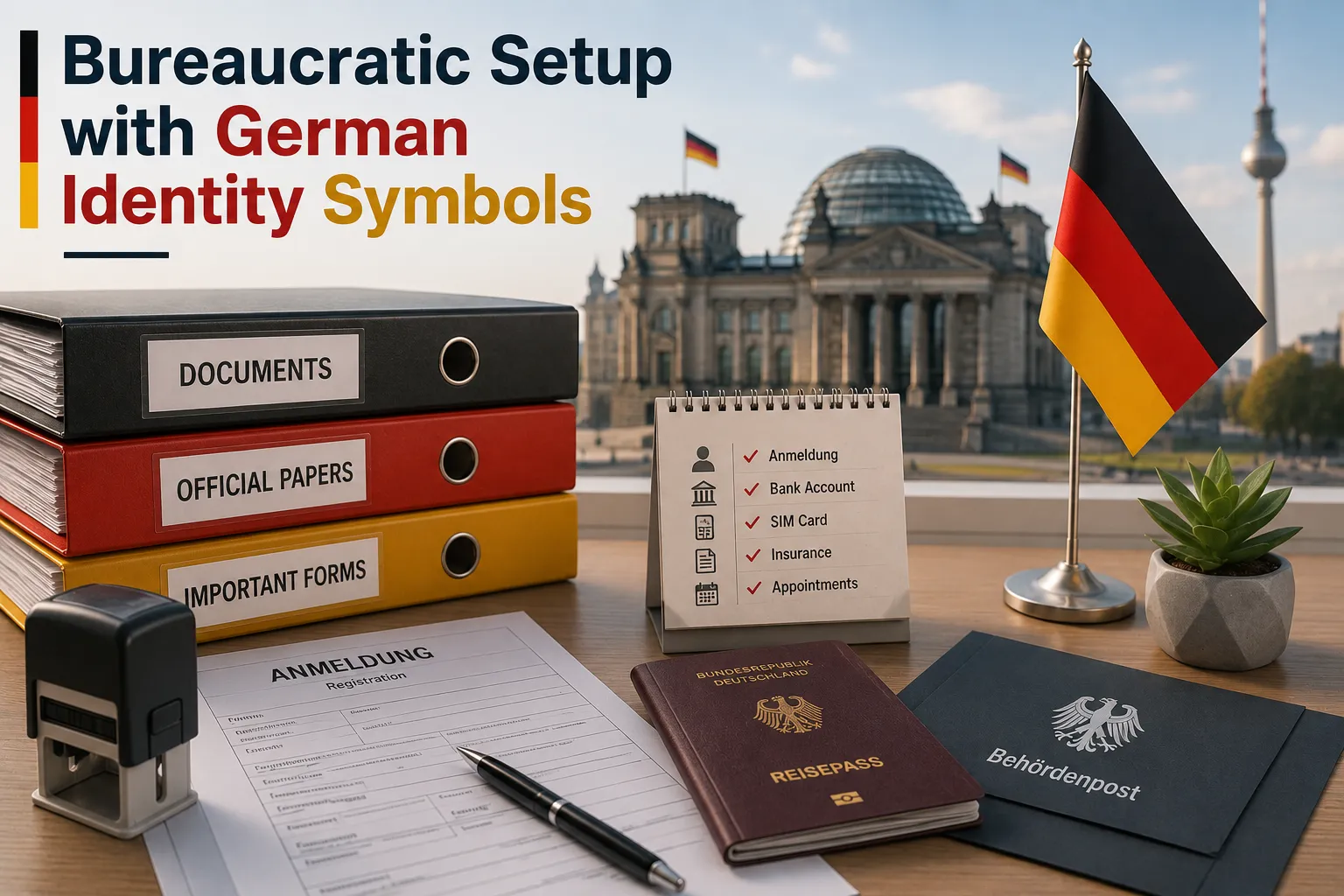
Culture Shock Goes Beyond the Obvious
Most guides mention punctuality and recycling rules. However, the real culture shock that comes with moving to Germany runs much deeper.
Sundays Are Truly Quiet
German law keeps shops, supermarkets, and most businesses closed on Sundays. As a result, you need to plan your grocery shopping in advance, or you might end up with an empty fridge and nowhere open nearby.
Directness Is Not Rudeness
Germans communicate in a very direct, matter-of-fact way. This can initially feel blunt or even cold. Once you understand the local communication style, though, you start to see it as honesty rather than unfriendliness.
A Small Cultural Note
German social etiquette places real importance on eye contact during a toast. Skipping it can bring bad luck, or at least raise a few eyebrows.
Finding Housing After Moving to Germany Is the Hardest Part
Securing an apartment ranks as the most stressful part of moving to Germany for most newcomers.
Competitive Rental Market
Dozens of applicants often compete for a single apartment viewing in cities like Munich, Berlin, and Frankfurt. Consequently, prepare your documents, income proof, and a Schufa credit report well in advance to stand a real chance.
Unfurnished Often Means Truly Unfurnished
“Unfurnished” apartments in Germany often skip the kitchen, light fixtures, and sometimes even flooring. Hence, budget for the cost of a full kitchen setup when you plan your move.
Healthcare and Insurance Have a Learning Curve
Germany runs an excellent healthcare system, but understanding how it works takes some adjustment.
Public vs Private Insurance
Newcomers must choose between public (gesetzliche) and private (private) health insurance. This decision can significantly affect your long-term costs, especially if you freelance or work for yourself.
Finding a Doctor Takes Patience
Specialist appointments can take several weeks to land, particularly in larger cities. Therefore, register with a general practitioner early and ask for referrals well ahead of time.
Money and Banking Habits Are Different
Cash still plays a big role in daily life across Germany, despite the country’s major economy.
Cash Still Matters
Contactless payments keep growing in popularity, yet many places, especially bakeries and small restaurants, still accept cash only. As a result, carry some cash at all times as a practical daily habit.
Opening a Bank Account Takes Time
Most banks require proof of address, so you usually need to complete your Anmeldung before you open a German bank account. This step can delay other essentials, like receiving your salary.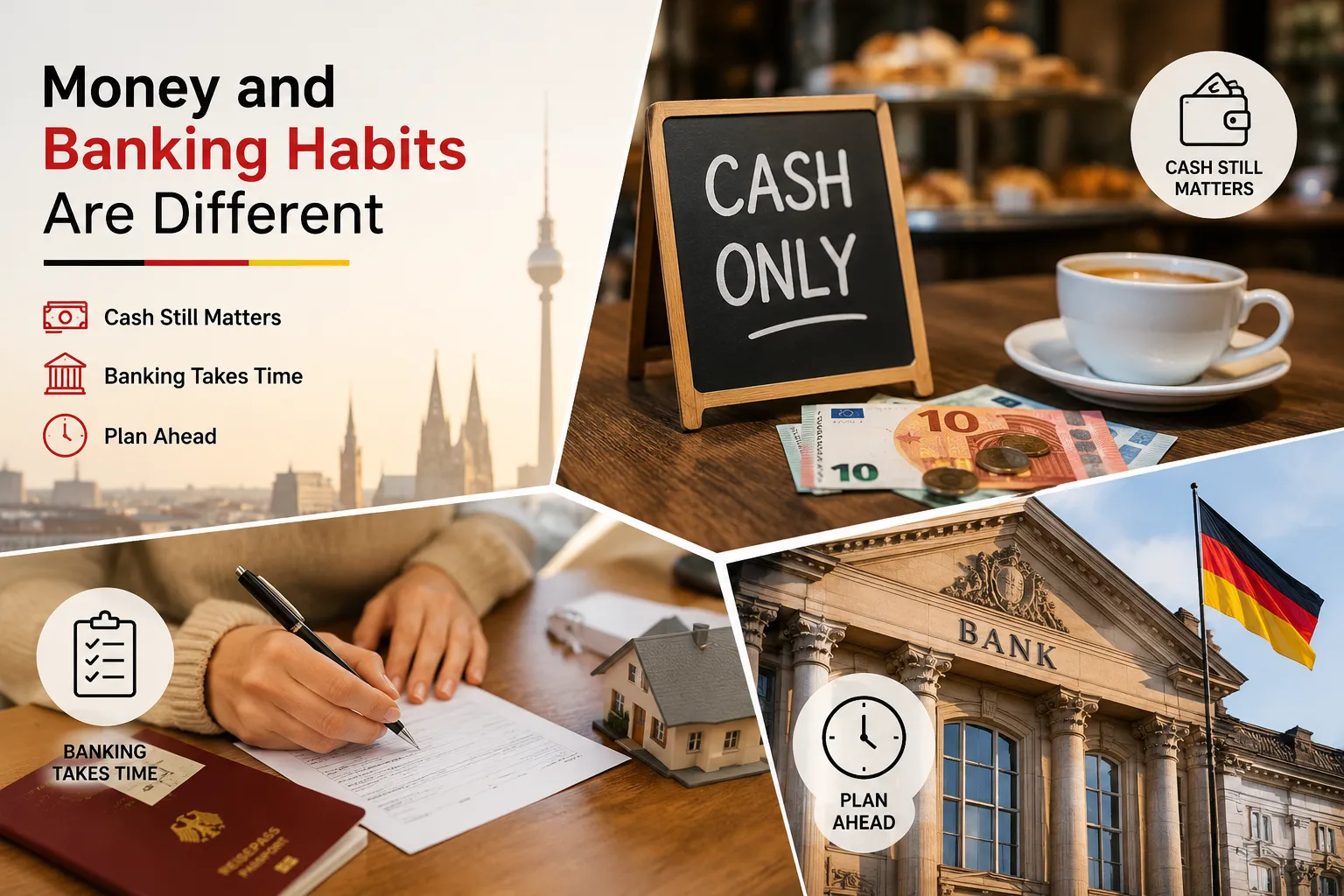
Language Barriers Exist Even in English-Friendly Cities
Many younger Germans speak excellent English. However, daily administrative life, including official letters, tax forms, and many doctor’s offices, often runs entirely in German. Consequently, even basic German skills can significantly reduce daily frustration during your first year.
Building a Social Circle Takes Effort
Germans tend to stay private and take time to open up. This can feel isolating at first. Once you form a genuine friendship, though, it tends to last. Similarly, joining local clubs, known as Vereine, gives you one of the most effective ways to meet people and integrate into community life.
Practical Tips Before Moving to Germany
Quick Checklist
Organize your documents before you move. Research your city’s rental market in advance. Learn basic German phrases. Budget for a slower-than-expected settling-in period during your first few months.
Conclusion: Is Moving to Germany Worth It?
Bureaucratic hurdles and cultural adjustments test every newcomer. Still, most expats agree that moving to Germany is ultimately worth it. Once the initial paperwork phase ends, the country’s quality of life, work-life balance, and safety net often outweigh the early challenges. With realistic expectations and a bit of preparation, you can make your transition far smoother than most newcomers initially expect.
Frequently Asked Questions
1. How long does the Anmeldung process take in Germany?
You can often book an Anmeldung appointment within a few days in smaller towns, but major cities like Berlin sometimes have waiting times of several weeks. Book your appointment as soon as you know your address.
2. Do I need to speak German before moving to Germany?
You do not need fluent German to get by, especially in larger cities. However, basic German skills make daily tasks like banking, doctor visits, and dealing with official letters much smoother.
3. Why is finding an apartment so difficult in German cities?
High demand and limited supply in cities like Munich, Berlin, and Frankfurt create intense competition for rentals. Landlords often receive dozens of applications per listing, so having your documents ready in advance helps a lot.
4. Is it true that German shops close on Sundays?
Yes, German law requires most shops and supermarkets to close on Sundays. Plan your grocery shopping for Saturday or earlier in the week to avoid running short.
5. Should I choose public or private health insurance in Germany?
The right choice depends on your income, employment status, and personal health needs. Freelancers and high earners often benefit from comparing both options carefully before deciding, since switching back later can be difficult.

[596]bgd999 Official Login | বিকাশ পেমেন্ট ও অনলাইন ক্যাসিনো বোনাস,bgd999 অ্যাপ ডাউনলোড করে উপভোগ করুন সেরা স্লট গেম। বিকাশ দিয়ে সহজে টাকা জমা দিন এবং আকর্ষণীয় বোনাস বুঝে নিন। আজই জয়েন করুন। visit: bgd999
[6059]Gading22 | Login Resmi Situs Slot Gacor Terpercaya Deposit Pulsa,Gading22 menyediakan akses login resmi untuk bermain slot gacor. Nikmati kemudahan daftar casino deposit pulsa dan download APK agar lebih praktis. Gabung sekarang! visit: gading22
Whenever the main site is down, this alternative link saves the day. Very reliable and keeps me in the game without any interruptions. Use mpocashlinkalternatif.
[5400]LV4D: Link Alternatif Daftar Akun dan Slot Deposit Dana,lv4d menyediakan link alternatif resmi untuk daftar akun dengan mudah. Nikmati situs slot deposit dana dan cara main baccarat online. Gabung sekarang juga! visit: lv4d
The variety of slot games here is amazing. I love how easy it is to navigate through the lobby. Best place to hang out is win24login.
[2212]Linebet লগইন বাংলাদেশ – বিকাশ দিয়ে অনলাইন স্লট গেম খেলুন,linebet লগইন করে বিকাশ দিয়ে ক্যাসিনো গেম খেলুন। সহজ নিয়ম জানুন এবং linebet app download APK করে লাইভ ক্যাসিনো উপভোগ করুন। আজই জয়েন করুন। visit: linebet
[7490]mafiacasino লগইন ও অ্যাপ ডাউনলোড | বিকাশ দিয়ে অনলাইন স্লটস গেম,mafiacasino login করুন এবং বিকাশ দিয়ে অনলাইন casino গেম উপভোগ করুন। দ্রুত mafiacasino app download করে সেরা অনলাইন slots গেম খেলুন। visit: mafiacasino